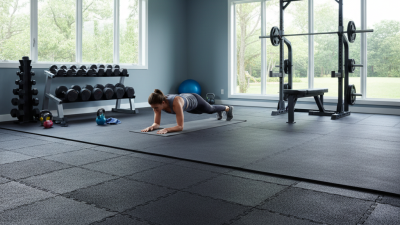
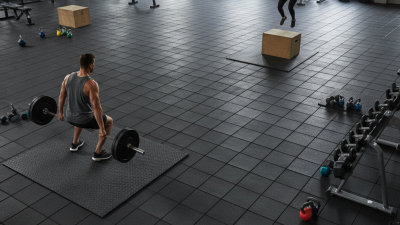
Starting a home Gym is pretty exciting, right? One thing you definitely wanna think about is the flooring—that's actually a pretty important part. Check outWeight Floor Mats; they’re key for making your workout space safer and more effective. Plus, they protect your floors and help keep the noise down when you’re lifting or jumping around.
Getting the right mats can really boost your workout experience. They come in all sorts of materials, thicknesses, and styles, so it’s worth taking some time to pick the best one. A good mat will cushion your moves and support heavier lifts, but not all mats are equal. Some might start looking worn out pretty quick, and others might not offer enough padding—not ideal when you’re trying to focus.
In this guide, we’ll check out some top options. We’ll look at stuff like how tough they are, how easy they are to clean, and whether they’ll stay put during your workouts. Every product has its pros and cons, so think about what really fits your needs. With the right info, you’ll be able to pick the perfect Weight Floor Mats to make your home gym a real winner.

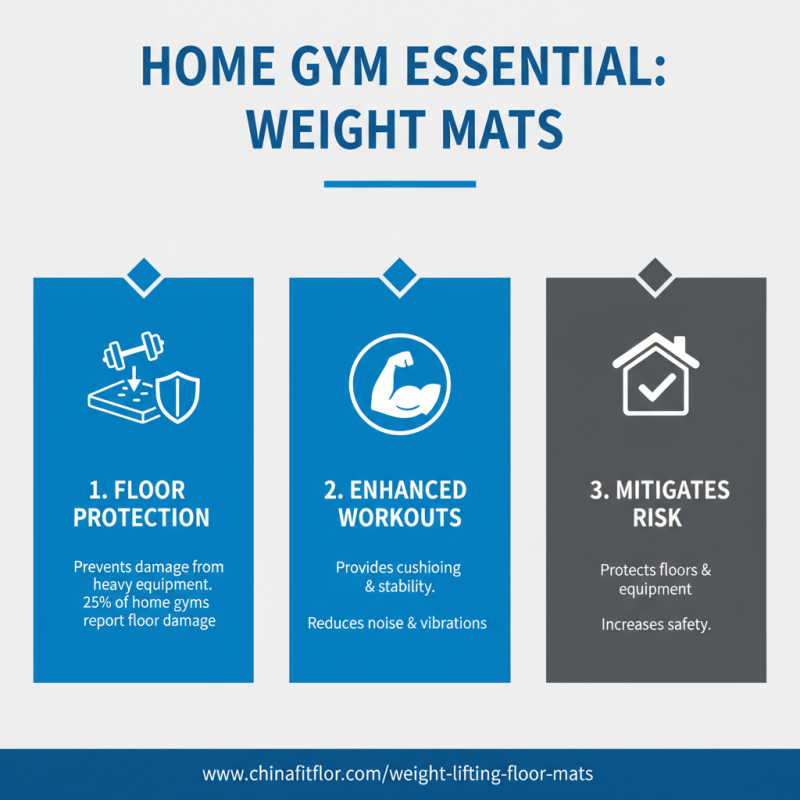
Weight floor mats play a crucial role in home gyms. They offer various benefits that enhance workout experiences while protecting your floors. According to industry reports, more than 25% of home gym owners have experienced floor damage due to heavy equipment. Weight Lifting Floor Mats can help mitigate this risk effectively.
These mats are designed to absorb shock and reduce noise. They help prevent damage from dropped weights, which can easily crack tiles or dent wooden floors. A study revealed that mats can reduce noise levels by up to 30% during weightlifting sessions. This aspect is particularly important for those living in apartments or shared spaces.
In addition to protection, these mats provide stability during workouts. They offer a non-slip surface, which enhances safety and performance. However, not all mats are created equal. Some may deteriorate over time, losing their cushioning and support. Users should choose quality mats based on materials and thickness. Investing in the right Weight Lifting Floor Mats pays off in the long run, making workouts safer and more enjoyable.
When choosing weight floor mats for your home gym, consider a few crucial features. The material is vital. High-density foam or rubber is preferable. These materials offer great shock absorption and protect your floors well. Look for mats that are non-toxic and safe. Some mats even have antimicrobial properties to prevent mold and bacteria growth.
Thickness and size also matter. A thicker mat will provide better cushioning during workouts. However, ensure it isn’t too bulky to maneuver. Consider how much space you have available in your gym. Weight Mats should be large enough to accommodate your equipment but not overwhelm the space.
Another important aspect is ease of cleaning. Mats that are easy to wipe down will save you time. Many mats have textured surfaces for enhanced grip. This feature can prevent slips during intense workouts. Always consider the warrantyoffered by manufacturers. A long warranty often indicates a reliable product. Investing in quality Weight Mats can enhance your workout experience significantly, ensuring safety and durability.
When setting up a home gym, choosing the right weight floor mats is essential. Various types of mats cater to different needs, making it crucial to understand your options. Foam mats are popular for their cushioning effect. They absorb shock well, reducing joint strain during workouts. These mats are lightweight and easy to install. However, they may not endure heavy weights over time.
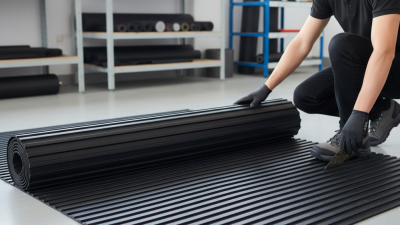
Rubber Mats are another common choice. They offer excellent durability and stability. These mats can withstand heavy equipment, preventing damage to your floors. Their non-slip surface enhances safety during workouts. Keep in mind, though, that rubber mats can be quite heavy and difficult to move. Interlocking tiles provide flexibility in design and layout. They're easy to transport and replace when needed.
Each type has its pros and cons. It’s vital to consider your workout intensity and space. Are you lifting heavy weights or doing lighter exercises? Think about your floor’s condition too. Some mats provide insulation, while others might retain moisture. Finding the perfect solution can be overwhelming. Still, weighing the aspects will lead to an informed decision.
| Type of Mat | Material | Thickness (inches) | Weight Capacity (lbs) | Price Range ($) |
|---|---|---|---|---|
| Foam Mats | EVA Foam | 0.5 | 200 | 30 - 100 |
| Rubber Mats | Recycled Rubber | 3/4 | 1000 | 70 - 150 |
| Vinyl Mats | Vinyl | 0.25 | 300 | 40 - 90 |
| Interlocking Tiles | High Density Foam | 0.75 | 800 | 50 - 200 |
| Heavy-Duty Mats | Natural Rubber | 1 | 1500 | 100 - 250 |
Weight floor mats are essential for home gym safety. They provide a protective layer under your equipment. This layer prevents damage to your floors, especially with heavy weights. Without these mats, dropped weights can easily crack tiles or scratch hardwood floors. It’s crucial to consider this to maintain your home’s aesthetic and value.
Using Gym Weight Mats also enhances safety during workouts. These mats offer a non-slip surface, reducing the risk of accidents. When lifting heavy weights, a secure stance is vital. Mats provide stability, allowing you to focus on your form. However, some users may not realize the mats can wear down over time. It's essential to check their condition regularly. Regular maintenance can prevent unexpected slips or falls.
Moreover, Gym Weight Mats help absorb sound from drops and impacts. This feature is particularly useful in multi-family homes. Noise can disturb neighbors or family members. While these mats mitigate sound, they may not eliminate it entirely. Thus, you should still consider workout times to avoid disturbances. Being mindful of others enhances the overall workout environment.
Maintaining weight floor mats is essential for home gym enthusiasts. According to industry studies, mats can last up to five years with proper care. Neglect often leads to wear and tear, reducing their lifespan significantly. Regularly clean your mats with mild soap and water. This simple task can prevent the buildup of grime and bacteria, keeping your gym environment healthy.
Humidity and moisture can warp mats over time. Ensure your gym area is well-ventilated. A dehumidifier can be an excellent investment for moisture control. Remember, the longevity of your mats depends on environmental conditions too. You should also rotate your mats periodically. This helps to distribute wear evenly and minimizes damage in high-traffic areas.
Inspect your mats regularly for signs of damage. Cracks or deep grooves can become safety hazards. If you notice uneven surfaces, consider replacing them promptly. While prevention is key, acknowledging when maintenance is needed is crucial. Pay attention to how your mats hold up as you train. Adapting your routine based on their condition can prolong their usability significantly.
The above bar chart shows average ratings for various features of weight floor mats. Each dimension is essential for buyers to consider when purchasing mats for their home gym. The thickness, durability, price, slip resistance, and ease of cleaning impact the overall performance and longevity of the mats.
When investing in weight floor mats, cost is a crucial consideration. Prices can vary widely based on material and thickness. Budget-friendly options often use foam, which may not offer enough durability for heavy weights. On the contrary, rubber mats tend to be pricier but provide superior protection. Choosing the right material can prevent costly damage to both your flooring and your weights.
Many buyers overlook the long-term value of their purchase. A lower initial cost might seem appealing, but these cheaper mats can wear out quickly. Consider how often you use your home gym. Frequent lifters should prioritize sturdier options. The upfront investment for high-quality Weight Room Mats can lead to savings in replacement costs down the line.
It’s essential to balance your budget with your gym needs. Think about the space available for the mats. Larger areas may require more material, increasing costs. Remember the weight you’ll be lifting as well. Not all mats can withstand heavy-duty use. Reflect on your workout routine, and choose wisely. This approach will lead to smarter spending in creating your perfect home gym.
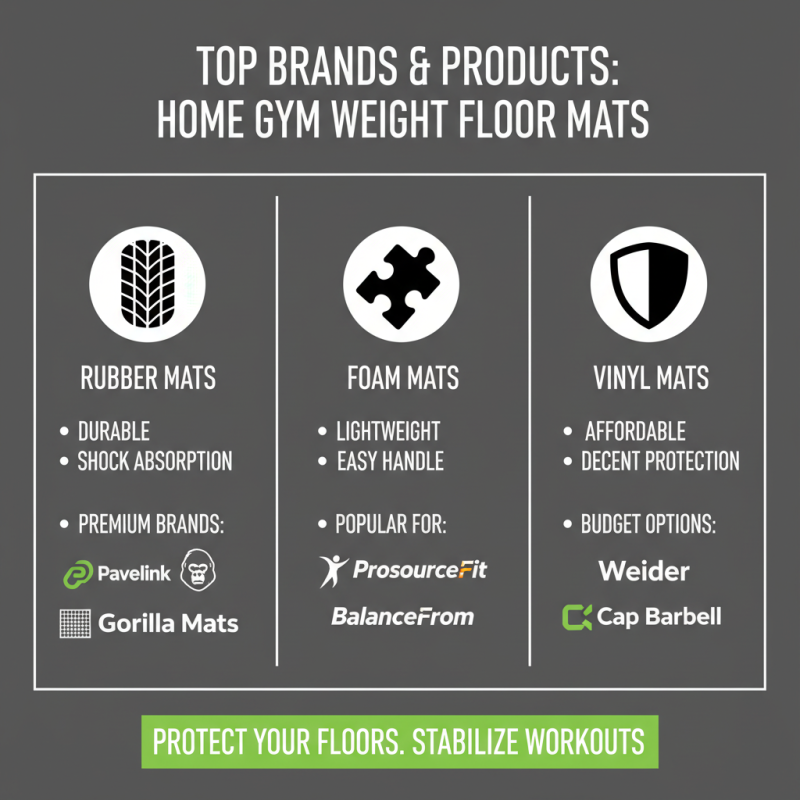
Creating a home gym requires careful consideration of flooring, especially when it comes to weight floor mats. These mats protect your floors and provide a stable surface for workouts. Popular materials include rubber, foam, and vinyl. Each has its benefits. Rubber mats are durable and offer great shock absorption. Foam mats are lightweight and easy to handle. Vinyl options are often more affordable and still provide decent protection.
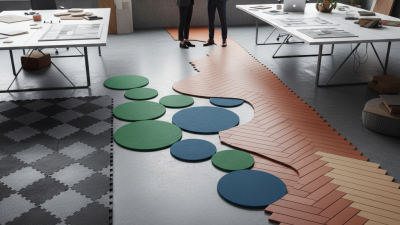
When choosing mats, think about thickness. A thicker mat absorbs more impact but can be bulkier. You may also want mats with interlocking edges for convenient assembly. They allow for customization of your workout area. Pay attention to the mat's texture as well; a grippy surface enhances stability during exercises.
Tips: Always measure your space before purchasing. This ensures a proper fit for your home gym. Consider the types of workouts you'll perform. Weightlifting requires heavier mats compared to yoga or stretching. Lastly, think about maintenance. Some mats need regular cleaning while others are more low-maintenance. Choosing wisely can impact your training experience significantly.
When it comes to enhancing the boxing training experience, the role of flooring cannot be overstated. The right flooring can significantly impact an athlete's performance, safety, and overall training efficiency. A prime example of innovative flooring designed specifically for combat sports is the shock absorption flooring used in boxing gyms and training facilities. Such flooring not only provides a stable surface for footwork and striking drills but also minimizes the risk of injuries that can occur from high-impact movements.
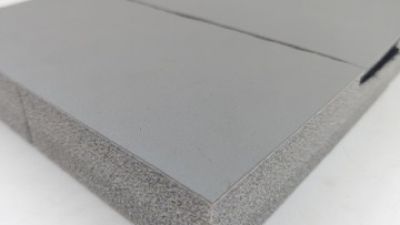
One of the standout features of this specialized flooring is the use of high-quality IXPE foam combined with a durable composite PVC surface. This unique construction provides exceptional support and comfort, allowing athletes to train longer and harder without the worry of joint pain or fatigue. Additionally, the flooring's quick installation process, facilitated by a magic tape connection design, ensures that training facilities can set up and modify their spaces with minimal hassle, making it an ideal choice for dynamic training environments.
Furthermore, the flooring’s shock-absorbing qualities help to enhance training sessions by allowing fighters to better focus on their techniques rather than on potential discomfort or injuries. With its versatility to accommodate various martial arts disciplines such as kickboxing, taekwondo, and sanda, this type of flooring creates an optimal training atmosphere that encourages athletes to push their limits and achieve their goals.
: High-density foam and rubber are ideal. They provide excellent shock absorption and floor protection.
A thicker mat offers better cushioning. However, it shouldn't be too bulky for your space.
Yes, look for mats with non-toxic materials and antimicrobial properties. They help prevent mold and bacteria growth.
Mats that are easy to wipe down save time. Textured surfaces also provide better grip for safety.
A long warranty often indicates reliability. It shows the manufacturer believes in their product.
Foam mats provide cushioning. Rubber mats offer durability. Interlocking tiles give flexibility in design.
Foam mats absorb shock but may not endure heavy weights over time. Consider your workout intensity.
Rubber mats can be heavy and hard to move. Keep this in mind when setting up your gym.
Interlocking tiles are flexible. They're easy to transport and replace, making them a convenient option.
Yes, some mats retain moisture. Consider your flooring and how it interacts with different mat types.
Weight Floor Mats are essential for anyone setting up a home gym, as they provide a protective barrier between your flooring and heavy equipment. Understanding their importance includes recognizing how these mats prevent damage to your floors, reduce noise, and enhance safety by providing better grip. When selecting the right mats, key features such as thickness, material, and durability should be considered. Various types are available, including rubber and foam mats, each catering to different workout needs.
The benefits of using Weight Floor Mats extend beyond protection; they significantly contribute to safety during workouts. To maintain these mats, regular cleaning and inspection are advisable to ensure longevity. Cost considerations also play a role, as investing in high-quality mats can save you from potential repair expenses down the line. Overall, Weight Floor Mats are a vital investment for any home gym setup, balancing functionality with safety and comfort.